Ngorongoro Crater
“Africa's Natural Eden — the World's Largest Intact Volcanic Caldera”
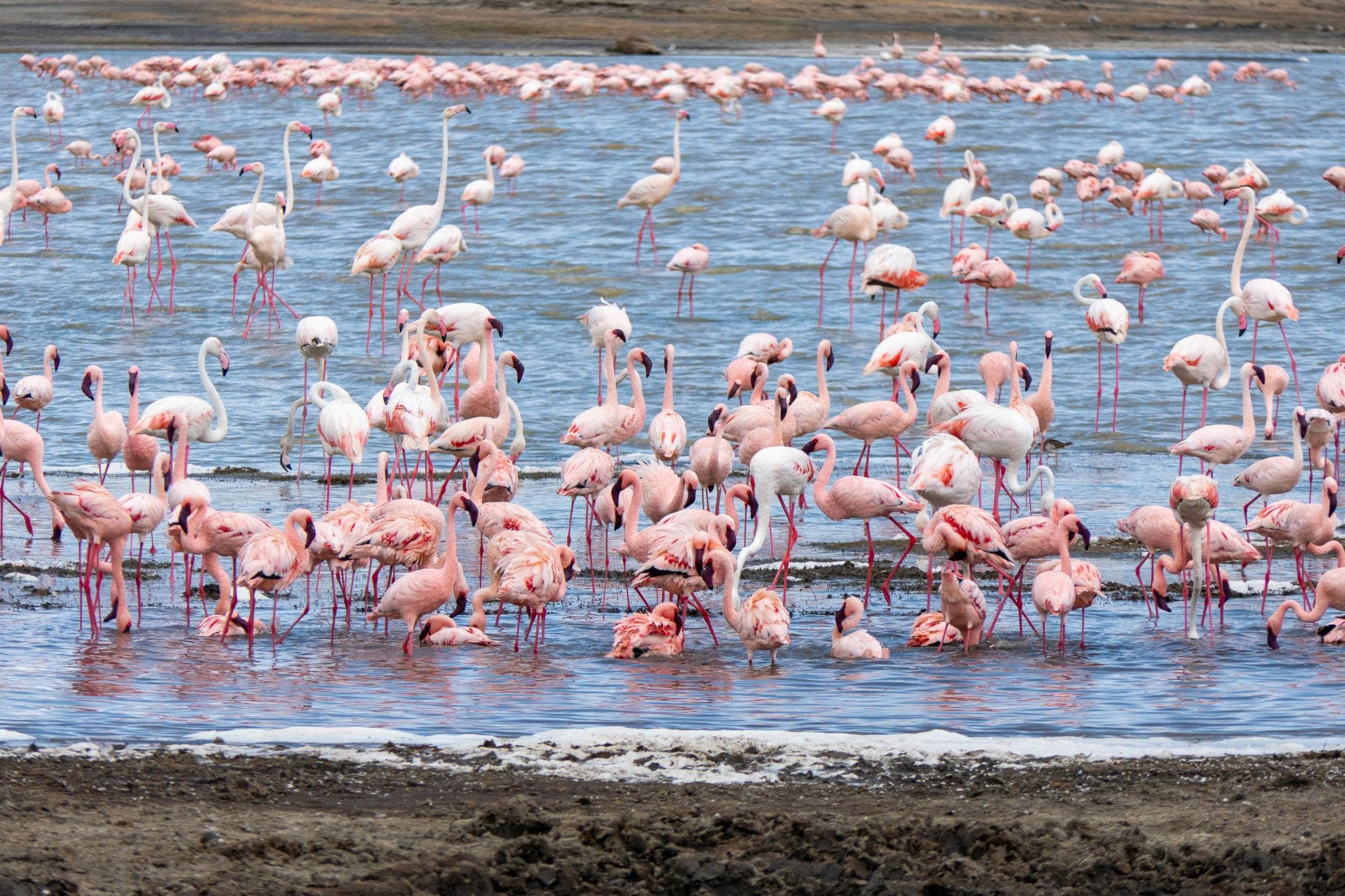
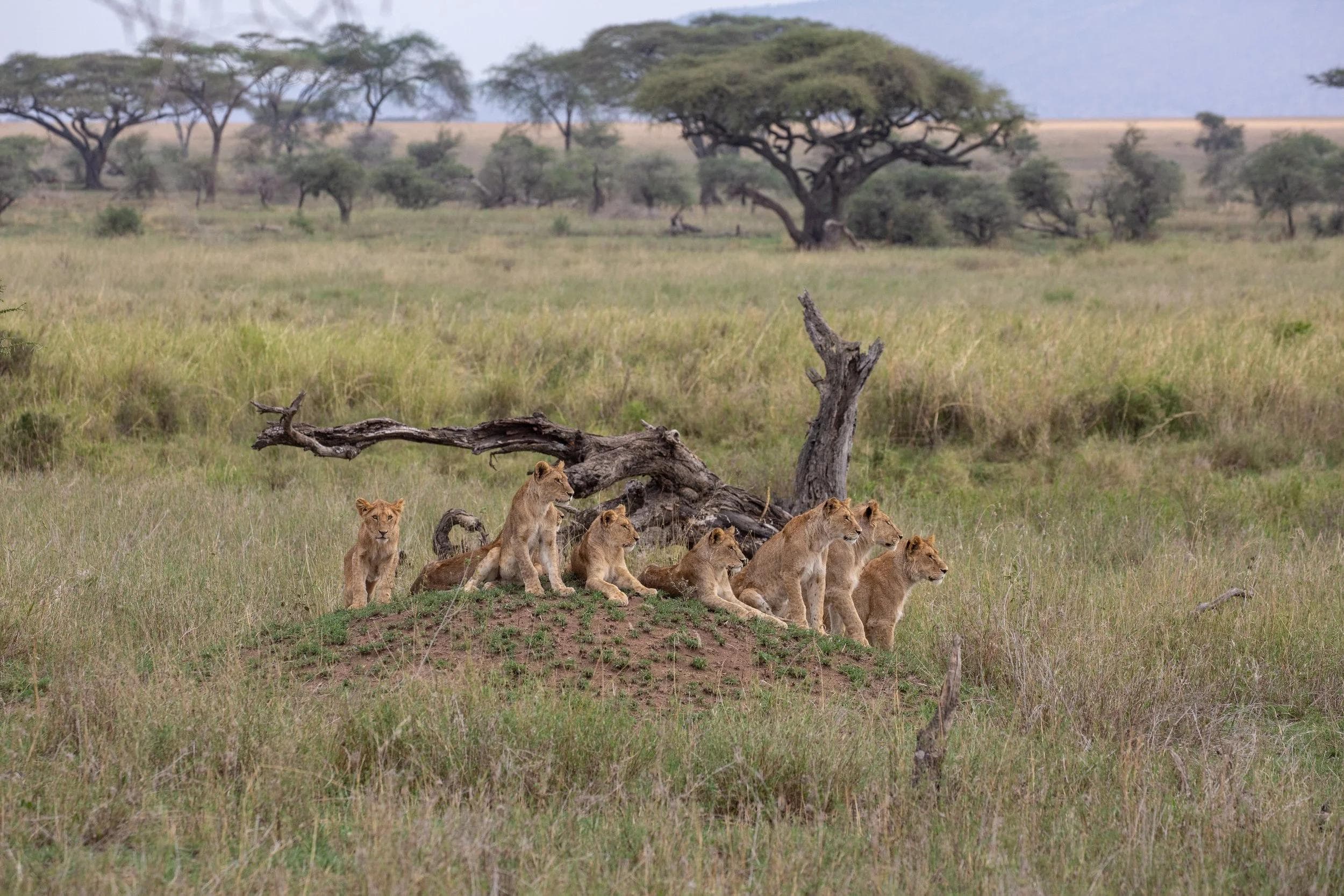
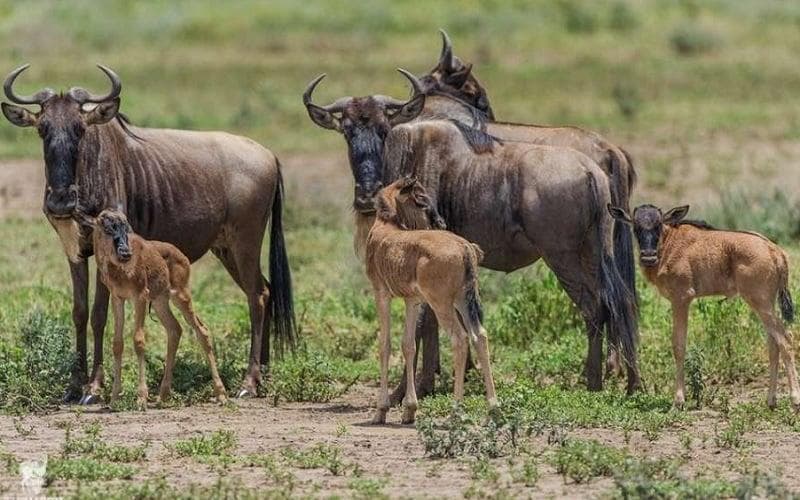
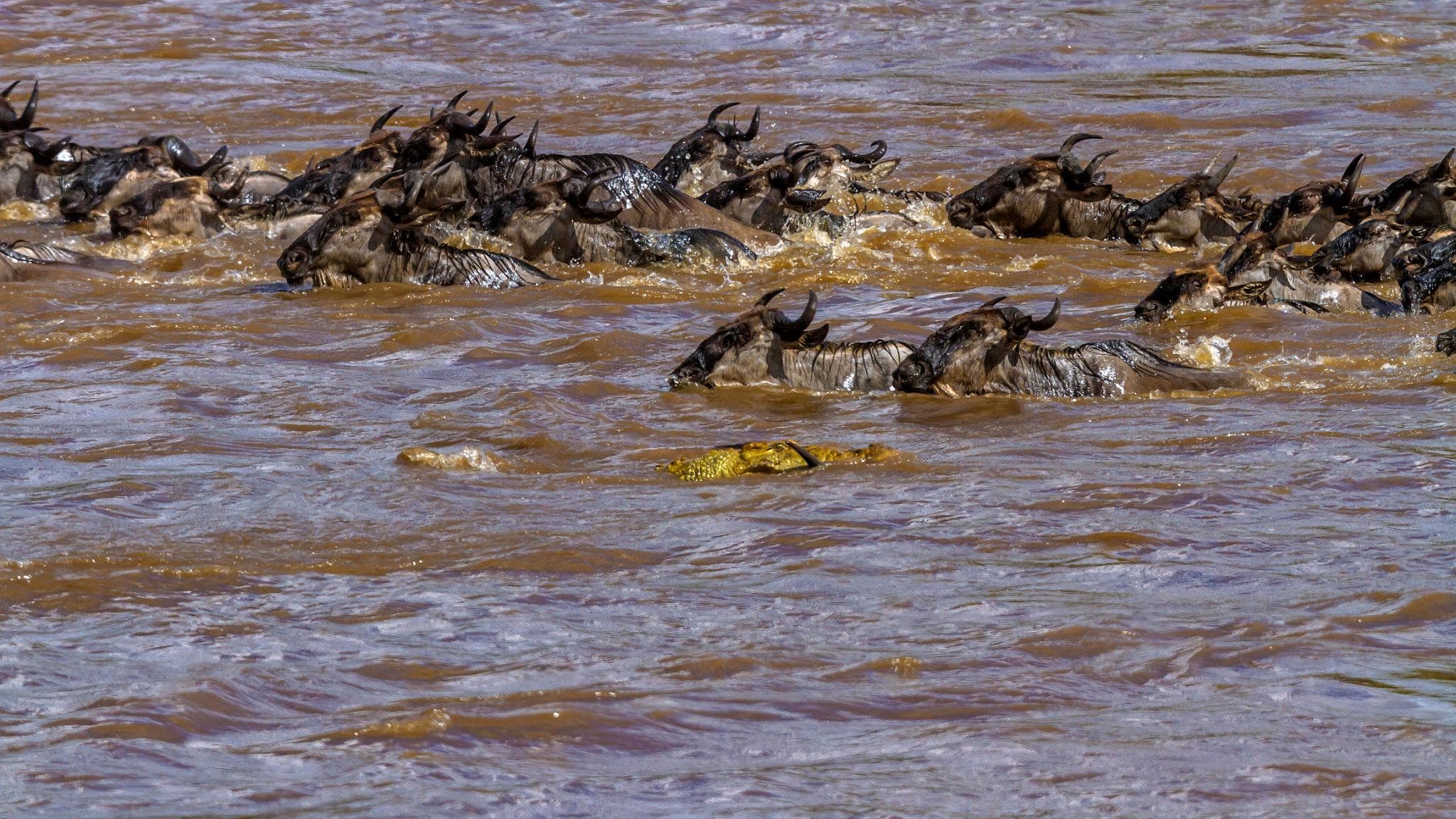
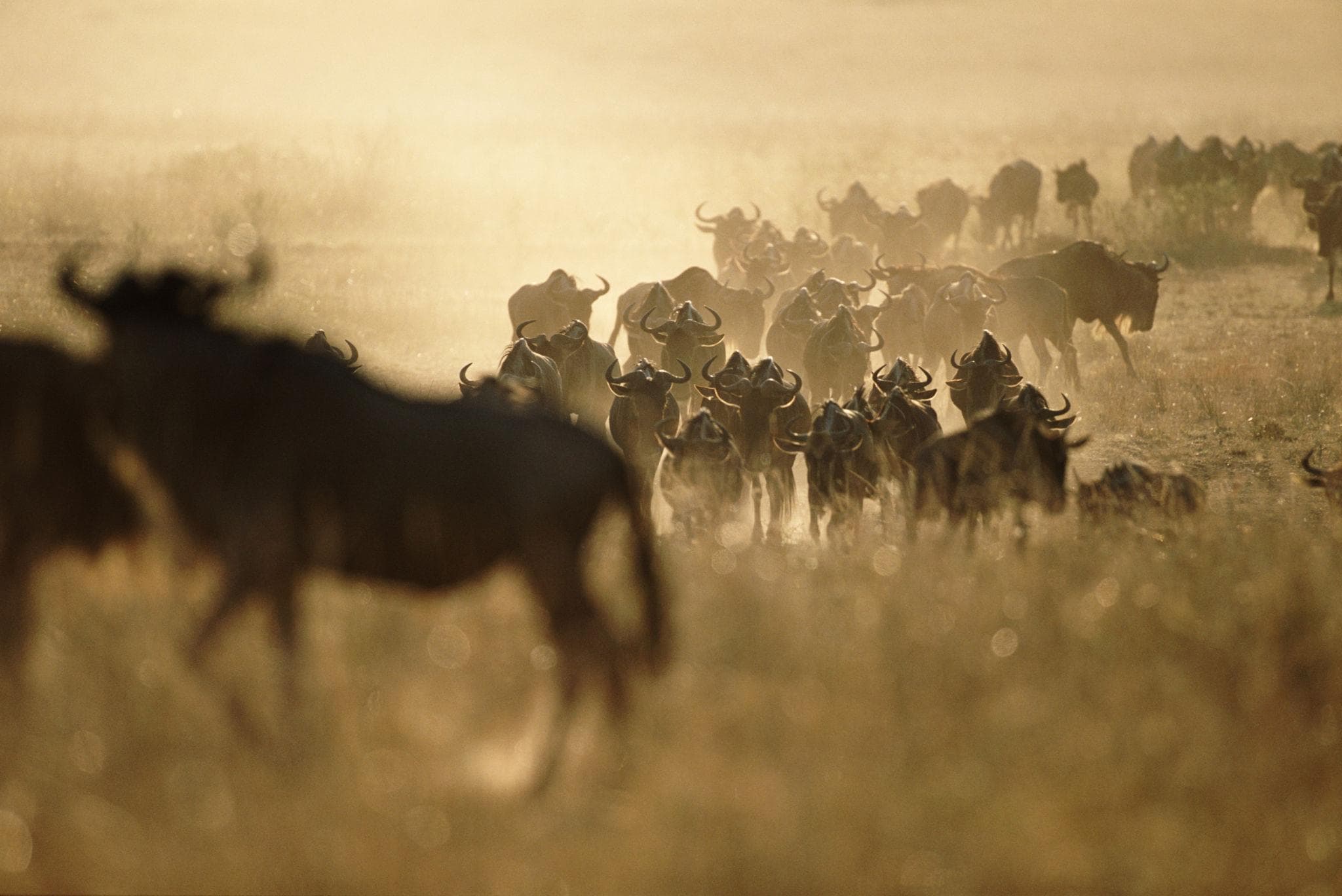
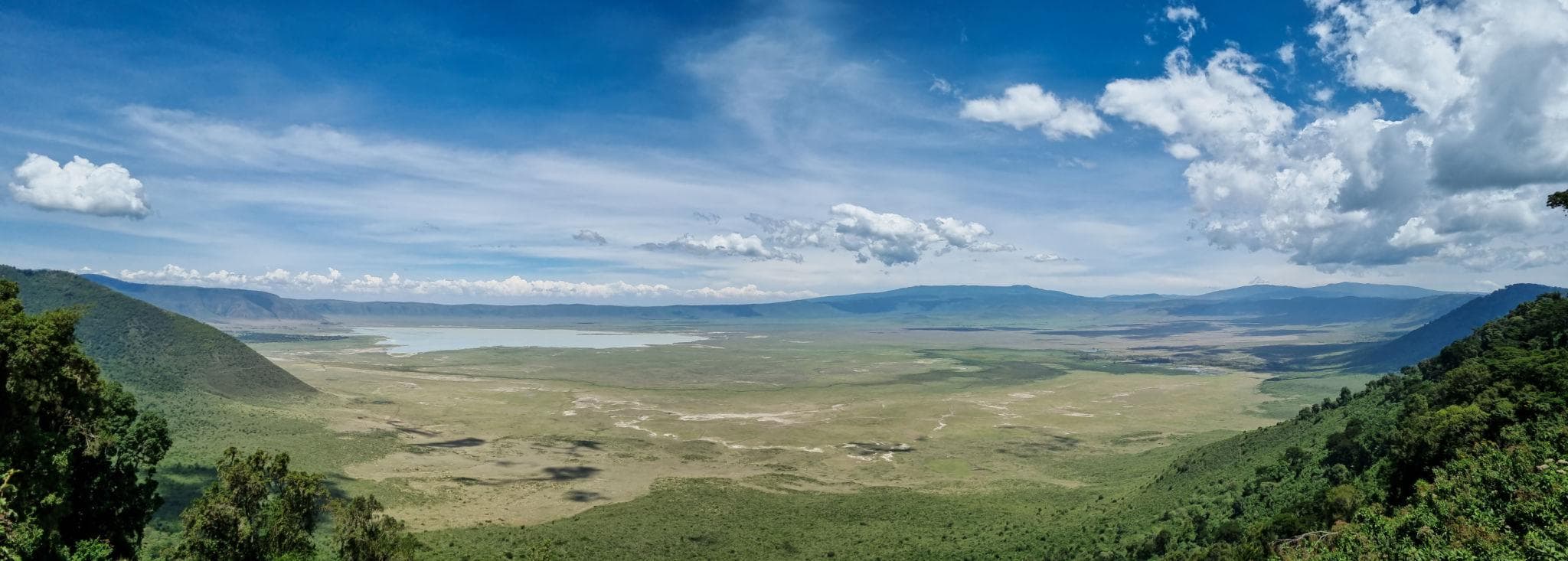
The Ngorongoro Crater is the world's largest intact volcanic caldera and one of Africa's most extraordinary natural wonders. Formed roughly three million years ago when a massive volcano collapsed on itself, the crater floor covers 260 km² and shelters an estimated 25,000–30,000 large mammals in a self-contained ecosystem that needs no seasonal migration. The crater walls rise 600 metres above the floor, creating a natural enclosure that traps wildlife year-round. Black rhinos, lions, hippos, flamingos, elephants, wildebeest, zebra, and the full suite of predators are all resident. The crater's grass floor is dotted with acacia trees, a soda lake, freshwater pools, and papyrus swamps — each habitat supporting different wildlife communities. Descending into the crater on a morning game drive, with mist rolling off the rim and golden light catching the plains below, is one of the most dramatic experiences in African travel.
Highlights
Wildlife You May Encounter
Climate & Weather
Highland. Cooler and often misty on the rim (12–20°C). Crater floor warmer (22–28°C). Year-round wildlife but Feb and Aug–Oct are drier with shorter grass for better visibility. Rim can be cold at night.